
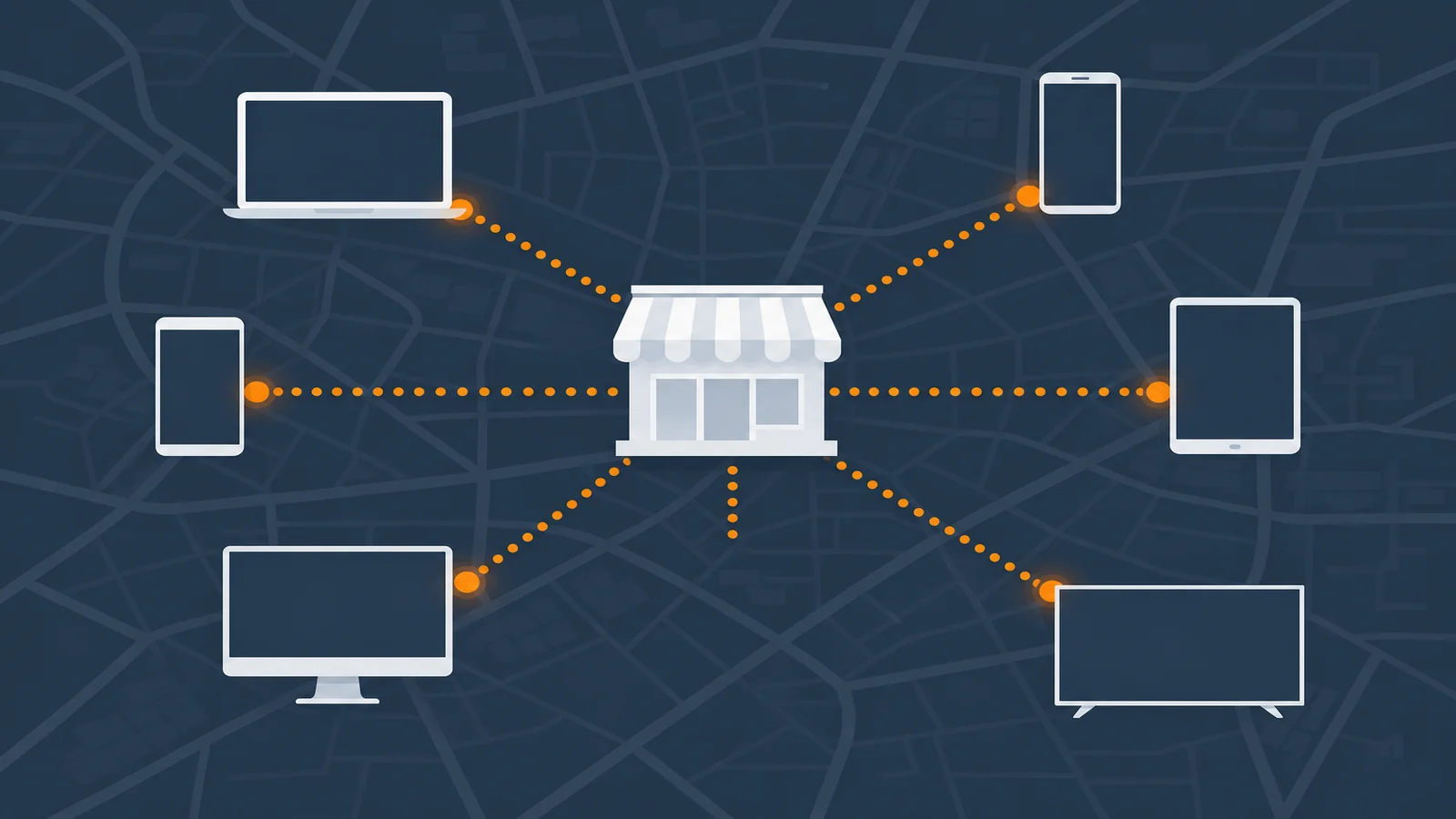
Amazon DSP for small sellers is a question more brands are asking as programmatic access opens beyond mega-budget advertisers. DSP (Demand Side Platform) lets you buy display and video inventory programmatically — on Amazon properties and across a network of third-party sites and apps — using Amazon's shopper data for targeting.
What Is Amazon DSP — in Plain English
Sponsored Products and Sponsored Brands live inside Amazon search results. DSP operates differently: it's display and video advertising that can reach shoppers on Amazon, on other websites, and in mobile apps. You define audiences — people who viewed your product, people in your category, lookalike shoppers — and DSP bids for impressions in real time.
For sellers, the practical distinction is reach. Search ads capture intent. DSP builds and recaptures intent — especially valuable for considered purchases where shoppers research across multiple sessions before buying.
When a Smaller Brand Should Consider DSP
DSP isn't a day-one tool. It makes sense when several conditions align:
- You're Brand Registered with enough catalog depth to justify awareness spend
- Sponsored Products and Brands are already profitable — see our ACoS guide for margin math before adding upper-funnel spend
- You have meaningful product detail page traffic — DSP retargeting needs a pool to work with
- Your average order value supports higher-funnel spend that may not convert same-session
- You're selling in the US, UK, or EU where DSP inventory is mature
If you're still optimizing your first hero ASIN's listing and PPC, fix that foundation first. Our PPC management team typically stabilizes search campaigns before recommending DSP budget allocation.
Retargeting Use Cases That Work for Mid-Size Sellers
Product viewer retargeting
The highest-ROI DSP use case for smaller brands: retarget shoppers who viewed your product detail page but didn't purchase. These are warm audiences — they already found you. A well-designed display creative reminding them of your key benefit (or a limited promotion) can recover sales that Sponsored Products alone miss.
Off-Amazon retargeting
DSP can follow Amazon shoppers across the web — not just on Amazon.com. That matters for categories where buyers leave the marketplace to compare reviews, watch YouTube demos, or read blog roundups before returning to purchase. Off-Amazon retargeting keeps your brand visible during that research window.
Cross-sell and catalog expansion
If you sell multiple related SKUs, DSP can introduce buyers of product A to product B. This works best when your catalog shares a brand identity and the audience overlap is genuine — not forced bundles nobody wants.
Start narrow. One retargeting audience, one creative, one measurable goal. DSP becomes expensive when treated as a brand awareness experiment without conversion tracking.
Amazon DSP Cost Realities in 2026
DSP pricing is typically CPM-based (cost per thousand impressions) rather than CPC. Minimum spend requirements have come down through self-service and partner platforms, but you should still plan for a dedicated test budget separate from your search ad spend.
Industry estimates suggest small-brand DSP tests often start in the low four figures monthly — enough to gather statistically useful data without committing enterprise budgets. Judge DSP on assisted conversions and new-to-brand orders, using total TACoS as your north-star metric rather than isolated line-item ROAS.
Amazon's DSP product overview outlines audience types and ad formats. Pair any DSP test with strong brand content and A+ modules so retargeted traffic lands on a listing built to convert.
Frequently Asked Questions
Can small Amazon sellers use DSP in 2026?
Yes — access has expanded through self-service tools and certified partners. You still need Brand Registry, sufficient traffic for retargeting pools, and budget set aside for testing. It's not ideal for brand-new sellers with no catalog traction.
What is the difference between Amazon DSP and Sponsored Display?
Sponsored Display is a simpler self-serve format inside Campaign Manager with lower barriers to entry. DSP offers broader programmatic reach, more audience options, and off-Amazon inventory — but requires more setup and typically higher minimum spend.
How do I measure Amazon DSP success?
Track view-through and click-through conversions, new-to-brand orders where available, and whether total business TACoS improves during the test window. DSP often assists conversions rather than closing them in the same session — our ACoS vs TACoS guide explains why total-store metrics matter more than campaign ROAS alone.
Honest DSP fit check for mid-size brands
We'll tell you straight whether programmatic ads match your stage — no enterprise upsell, no minimum spin.
Schedule DSP Evaluation →